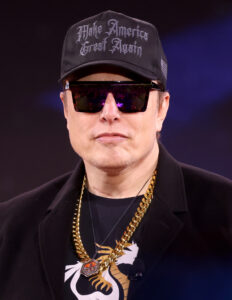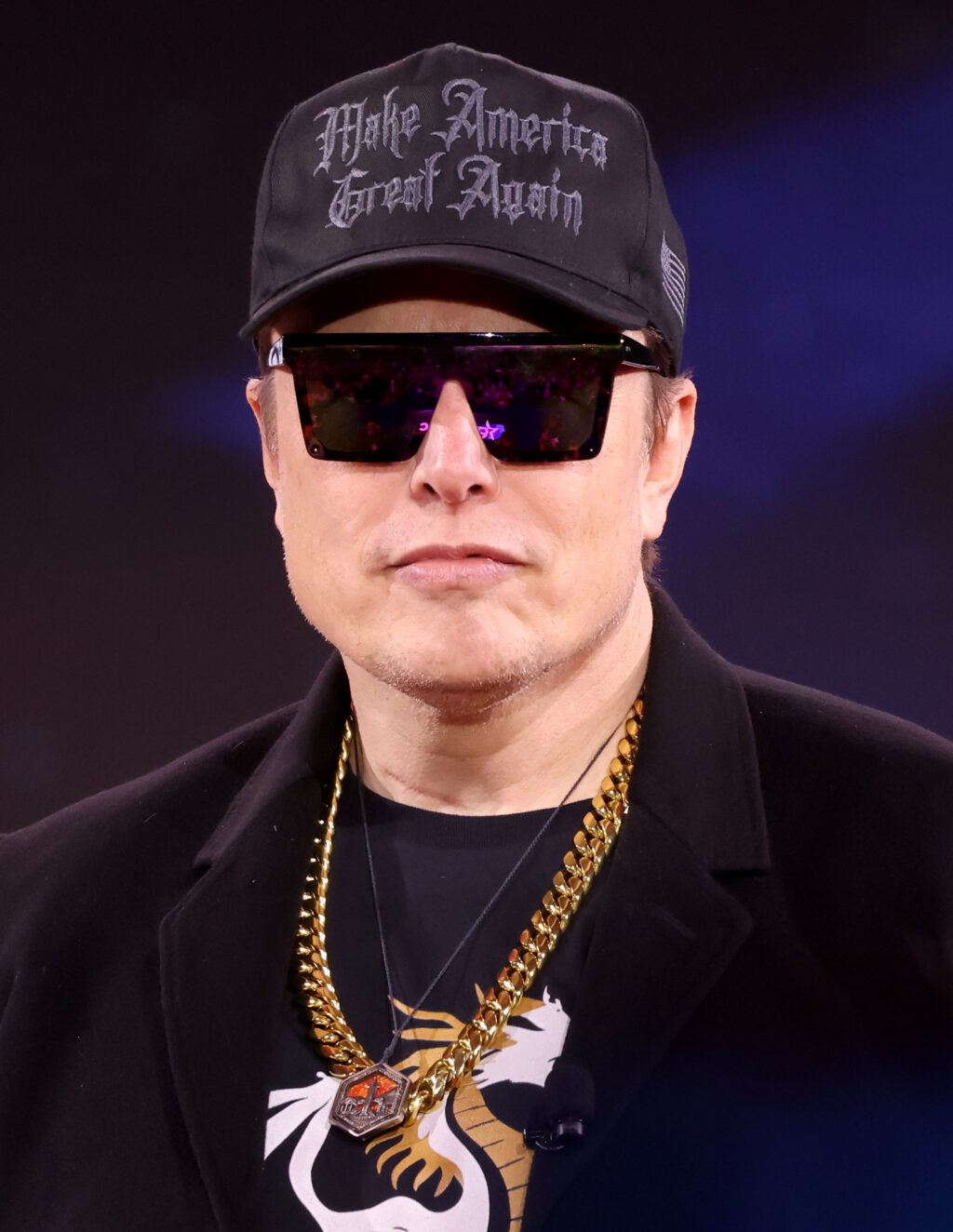
Archive photograph of Elon Musk speaking at the Conservative Political Action Conference in National Harbor, Maryland, on 21 February 2025. Photograph by Gage Skidmore, licensed CC BY-SA 3.0.
Elon Musk has said he regrets spending nearly half a billion dollars backing Republican candidates in the 2026 United States midterm elections, telling the New York Times DealBook Summit on Wednesday, 18 November, that he felt “pretty foolish” after the party lost control of both chambers of Congress and several governorships.
Speaking virtually to interviewer Andrew Ross Sorkin, the Tesla and SpaceX chief executive said: “I feel pretty foolish about having spent so much money and not seeing much for it.” He added: “Probably, if I could rewind the clock, I would have spent less money.”
Musk also acknowledged that Republican candidates might have performed worse without his support, but said the results showed that campaign funding could not determine an election on its own. “It certainly shows that American elections are not just about money,” he said.
A record political outlay
Musk’s spending was reported at about $446 million during the 2026 midterm cycle, making him the largest individual political donor in United States history. The total was nearly $300 million more than the contributions of the next largest Republican donors, Richard and Elizabeth Uihlein, according to a Washington Post analysis of campaign-finance records.
The money went through a network of political action committees and Republican-aligned organisations supporting candidates for Congress and state offices. Among the largest recipients were the Senate Leadership Fund, America PAC, which Musk founded, and the Congressional Leadership Fund. The groups used donations for advertising, voter mobilisation and other campaign activity.
Musk’s stated objective was to help Republicans retain their Senate majority and preserve a political balance in which neither party could control the presidency and both chambers of Congress. He told Sorkin that this aim had failed. Democrats won control of the House and Senate in the November elections and are due to take up their majorities when the new Congress convenes in January 2027.
The new Senate will have a 56 to 44 Democratic majority. The result gives Democrats the ability to set the chamber’s agenda, confirm or block appointments and conduct investigations, while the House majority will also provide greater oversight of the Trump administration.
Texas became a costly test
One of Musk’s biggest political investments was in Texas, where he spent more than $150 million supporting Republican candidates. The state is also home to the headquarters of Tesla and SpaceX, two of his most prominent businesses.
Republican Ken Paxton lost the Texas Senate race to Democrat James Talarico, while Republican Governor Greg Abbott lost his re-election bid to Democrat Gina Hinojosa. The results were a setback for the candidates backed by Musk and for President Donald Trump, whose political alliance with the billionaire has been a prominent feature of the current administration.
Musk told Sorkin that he considered Hinojosa moderate and expected relations with her administration to be workable. “Things will be fine in Texas with Gina as governor,” he said. He also rejected suggestions that her election would necessarily threaten his companies’ operations in the state.
His comments came after a campaign in which Musk’s financial support was visible in national and state races. The size of his contributions made him a central figure in the midterm spending debate, particularly in contests where Republican candidates lost despite substantial backing from wealthy donors and political action committees.
A different description of his politics
Musk also used the DealBook appearance to describe his political position as “quite moderate” and to distance himself from the Make America Great Again movement. “I’m not MAGA,” he said, adding that he did not support blind adherence to Republican policies and believed there were positives and negatives in both major parties.
The description marked a change in tone from 2024, when he told a Trump rally that he was “not just MAGA” but “Dark MAGA”. Musk has since supported the president on several issues while also disagreeing with parts of the Republican agenda, including immigration and the use of H-1B visas for skilled foreign workers.
His political involvement has extended beyond campaign donations. Musk led the Department of Government Efficiency during the first part of Trump’s second administration, where the initiative was associated with large-scale federal workforce reductions and attempts to cut government spending. His role in the administration and his companies’ federal relationships are expected to attract scrutiny from Democrats as they take control of Congress.
Earlier promises to spend less
The latest comments also revive questions about Musk’s previous statements on political spending. After a Republican-backed candidate lost a Wisconsin judicial race in 2025, despite Musk contributing about $20 million to the campaign, he said he would do “a lot less” political spending in future and remarked: “I think I’ve done enough.”
He nevertheless became the biggest individual donor of the 2026 midterm cycle, contributing substantially more than he had during the previous election period. In 2024, he gave at least $288 million to support Trump and other Republican candidates.
At the DealBook Summit, Musk did not announce a new spending limit. Instead, he acknowledged that the scale of his 2026 contributions had not produced the political outcome he wanted. His remarks placed a clear distinction between the resources available to a wealthy donor and the decisions made by voters across the country.
For now, Musk’s own assessment is that he would have spent less. The incoming Congress will determine how the election results translate into legislation and oversight, while his comments have put his record-breaking political expenditure and his future role in party politics back into public discussion.