Disease-resistant potato varieties and the supply of quality seed are on the agenda at the World Potato Congress in Kenya, where researchers are examining how breeding work can reach farmers and food markets.
The 13th congress is scheduled for 26 to 30 October in Naivasha, Nakuru County. Its programme brings together work on crop genetics, production, processing and trade, with the Crop Trust listing a session on resilient varieties for Wednesday, 28 October.
That discussion focuses on potatoes from the Andes and their use in breeding for the East African highlands. The Crop Trust says it will examine the partnerships, investment and policies needed to move promising material from research programmes into farmers’ fields.
The organisation says the session includes work by the International Potato Center, known as CIP, on introducing disease-resistance traits from wild potato relatives. It also covers how Kenyan farmers evaluate and select material so that future varieties suit local growing conditions and markets.
The National Potato Council of Kenya says access to quality seed remains one of the sector’s challenges, alongside climate variability, losses after harvest and limited market opportunities. Potatoes support livelihoods across farming, trading, processing and other businesses, the council says.
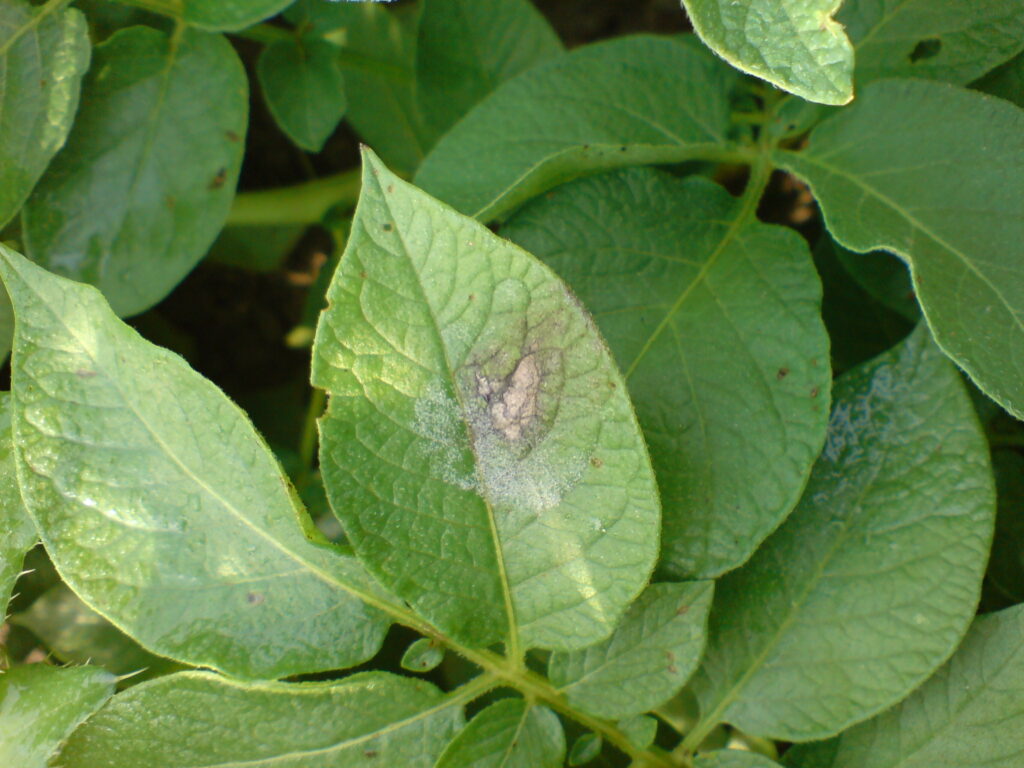
CIP has separately outlined two breeding programmes aimed at improving crop performance. One introduces three resistance genes from wild potato relatives into varieties already preferred by farmers, seeking protection against late blight.
In its October update, the centre said Rwanda had approved the relevant biotechnology events in September 2025. Kenya had approved its first event in October 2025, with confined field trials under way. Nigeria submitted regulatory dossiers for five events in June 2026, according to CIP.
Those submissions represent a stage in regulatory assessment, rather than an announcement that the potatoes are available commercially to Nigerian growers.
A second programme combines CIP and Dutch seed company HZPC’s genetic material to develop hybrid potatoes. The partners are pursuing yield, disease resistance, climate resilience and the quality characteristics required by buyers.
CIP says its Nairobi breeding hub operates with the Kenya Agricultural and Livestock Research Organization and the Kenya Plant Health Inspectorate Service. The centre also announced plans to introduce AfricaBlight, a cross-border network addressing late blight, at the congress.
The wider programme extends beyond breeding. The National Potato Council says exhibitions, technical tours and a Farmer Field Day are intended to let participants examine technologies and practices used across the potato supply chain.
The congress website lists farmers, researchers, policymakers, investors, businesses, young people and development partners among its intended participants. Organisers projected more than 1,000 delegates from over 60 countries, figures announced ahead of the event rather than a confirmed attendance count.
The Kenyan hosts describe the gathering as an opportunity for African producers and researchers to share experience with colleagues working in other growing and market conditions.
Seed systems and the adoption of new varieties are also part of the Crop Trust’s planned discussion. Its programme includes collaboration among farmers, researchers, public institutions and private businesses to help breeding material progress towards production and sale.
Illustrative archival photograph: potato leaf affected by late blight, 24 August 2006. Björn Andersson (SLU), via Wikimedia Commons, CC BY-SA 4.0. Website photograph unchanged. Not a photograph of the Kenya congress or current Kenyan crops.