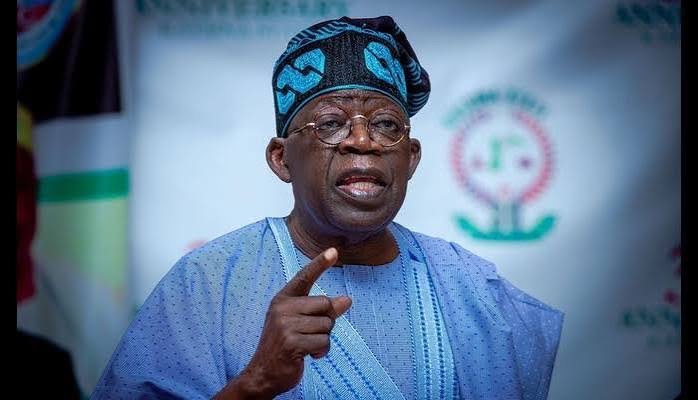
A United States court has granted a request by the Federal Bureau of Investigation (FBI) to review documents relating to President Bola Ahmed Tinubu in private, in connection with an alleged drug trafficking case from the 1990s. The development stems from a Freedom of Information Act (FOIA) lawsuit filed in June 2023 by American transparency activist Aaron Greenspan.
Greenspan, founder of legal platform PlainSite, filed 12 FOIA requests between 2022 and 2023 seeking records from the FBI, DEA, IRS, CIA, and other agencies about an alleged Chicago drug ring. The requests named Tinubu alongside Lee Andrew Edwards, Mueez Akande, and Abiodun Agbele.
In April 2025, Judge Beryl Howell of the U.S. District Court for the District of Columbia had ordered the FBI and DEA to release the documents by May 2. However, the agencies later requested a 90-day extension to complete their searches. The FBI also told the court it could not publicly disclose the full basis for withholding some records, citing risks to law-enforcement techniques and individual safety, and asked to file an additional declaration under seal.
Judge Howell previously ruled that the agencies’ “Glomar responses” — refusing to confirm or deny the existence of records — were “neither logical nor plausible”. She stated that both the FBI and DEA had “officially confirmed investigations of Tinubu relating to the drug trafficking ring” and that public interest outweighed privacy concerns.
The Nigerian Presidency has downplayed the matter, saying the reports are not new. Special Adviser Bayo Onanuga stated that the FBI and DEA reports “have been in the public space for more than 30 years” and “did not indict the Nigerian leader”. He added that lawyers are examining the ruling.
The case relates to a 1993 affidavit from IRS Special Agent Kevin Moss alleging that Tinubu’s U.S. bank accounts were used to launder proceeds from heroin sales in Chicago, with the government seeking to seize over $460,000 linked to those accounts.