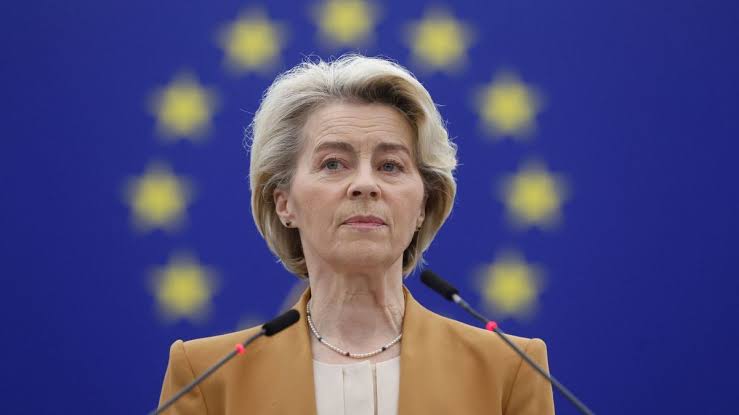
European Commission President Ursula von der Leyen is under intense scrutiny as the European Parliament prepares for a no-confidence vote centered on her handling of a €35 billion contract with Pfizer for up to 1.8 billion COVID-19 vaccine doses. The deal, negotiated directly through text messages between von der Leyen and Pfizer CEO Albert Bourla during the pandemic, has sparked widespread controversy known as “Pfizergate.”
The European Court of Auditors criticized the commission’s negotiation process as improper, and the EU’s General Court ruled in May 2025 that the commission wrongly withheld the text messages from public scrutiny, ordering their disclosure. The court found that von der Leyen’s administration violated EU transparency laws and failed to adequately explain the disappearance of the messages.
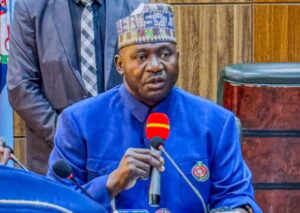
Despite the gravity of the allegations, the no-confidence vote is expected to fail due to insufficient support, but it marks the first such challenge to a commission president since 2014. The motion, led by Romanian far-right lawmaker Gheorghe Piperea and backed mainly by nationalist groups, accuses von der Leyen of concentrating power undemocratically and bypassing institutional procedures.
Von der Leyen defended herself before parliament, dismissing the accusations as conspiracy theories and emphasizing her direct contacts with vaccine manufacturers as necessary during the crisis. Supporters, including the European People’s Party, condemned the motion as politically motivated and linked it to Russian interests, warning that destabilizing the commission could jeopardize critical trade negotiations with the United States and ongoing responses to the war in Ukraine.
Critics highlight that the EU paid significantly more per vaccine dose under von der Leyen’s negotiated contract compared to earlier agreements, raising concerns about fiscal responsibility and whether the volume of doses purchased was excessive given rising vaccination rates at the time. Large quantities of unused vaccines remain in storage, representing potential waste of public funds.
The scandal has exposed broader issues of transparency and accountability within the EU’s executive branch. Investigations by the European Public Prosecutor’s Office into possible corruption and document destruction are ongoing, while political alliances within the European Parliament have shifted, with mainstream parties reluctant to empower far-right forces despite shared concerns about governance.
As von der Leyen faces mounting pressure, the controversy underscores tensions between effective crisis leadership and adherence to democratic oversight in the European Union’s complex political landscape.