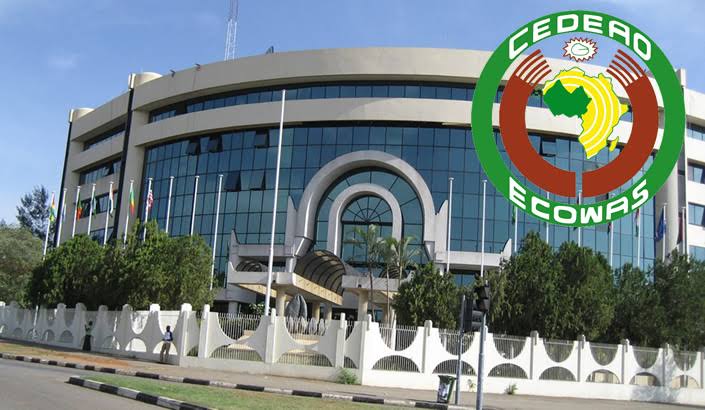
The Economic Community of West African States (ECOWAS), a regional bloc of 15 member countries, celebrated its 50th anniversary in 2025. Established on May 28, 1975, through the Treaty of Lagos, ECOWAS was founded to promote economic integration and cooperation among West African nations.
Over the past five decades, it has played a pivotal role in shaping the political and economic landscape of the sub-region, achieving significant milestones while facing substantial challenges.
One of ECOWAS’s most notable achievements has been its active involvement in conflict resolution. The ECOWAS Monitoring Group was instrumental in peacekeeping efforts that ended civil wars in Liberia, Sierra Leone, Ivory Coast, Mali, and Guinea-Bissau.
The bloc also demonstrated its commitment to democracy by intervening in political crises, such as the peaceful transfer of power in The Gambia in 2017 after electoral disputes.
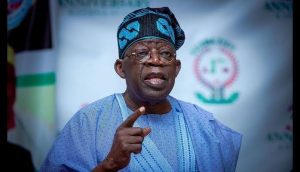
However, recent years have seen growing tensions within the community. During President Bola Tinubu’s chairmanship from June 2023 to June 2025, three member states—Niger, Mali, and Burkina Faso—withdrew to form the Alliance of Sahel States, citing inadequate representation within ECOWAS.
The bloc’s firm response to Niger’s military coup in December 2023 further exposed divisions.
As leadership transitioned to President Maada Bio of Sierra Leone in June 2025, he pledged to renew ECOWAS’s focus on restoring constitutional order, deepening democracy, enhancing regional security cooperation, boosting economic integration, and strengthening institutional credibility.
He acknowledged ongoing challenges such as insecurity, terrorism, illicit arms trafficking, political instability, and transnational crime, particularly in the Sahel and coastal regions.
Despite its longevity, ECOWAS has yet to achieve some of its most ambitious goals, including establishing a single currency and a robust economic union akin to the European Union.
The departure of Niger, Mali, and Burkina Faso has further weakened the bloc, highlighting the urgent need for reform.
To remain relevant and effective, ECOWAS must develop a credible rapid response force, strengthen economic integration with a focus on monetary unification, reconcile with breakaway members, improve infrastructure and connectivity—especially affordable air travel—and address external influences that undermine sovereignty and economic independence.
Once a formidable regional bloc known for mediating conflicts and promoting stability, ECOWAS now faces the challenge of reasserting its influence.
Movement of people and goods across borders remains hindered by logistical and regulatory barriers, while many member states continue to grapple with fragile democracies, human rights issues, and low human development indicators.
As ECOWAS embarks on its next 50 years, member countries must engage in deep reflection and collective action to realize the vision of their founding fathers.