The sudden resignation of Abdullahi Umar Ganduje as National Chairman of the All Progressives Congress (APC) has ignited a fierce contest for dominance within the party’s Kano chapter, a key political battleground ahead of the 2027 general elections.
Ganduje’s exit, announced abruptly on June 27, has created a power vacuum both nationally and within Kano, prompting rival factions and ambitious politicians to reposition themselves as the new leaders of the state’s APC.
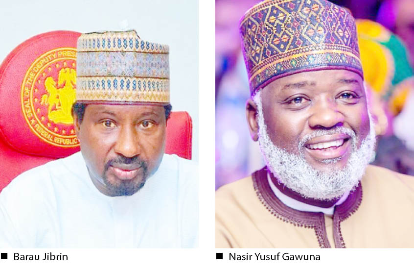
At the forefront is Senate Deputy President Barau Jibrin, who has gained influence through the influx of defectors, particularly from the rival Kwankwasiyya Movement. Barau is widely seen as a leading contender for the 2027 governorship ticket, leveraging his growing support base beyond his senatorial district.
Other key players include former deputy governor Nasiru Yusuf Gawuna, his running mate Murtala Sule Garo, two federal ministers from Kano, and the state APC chairman Abdullahi Abbas. The rivalry between Barau and Garo—both from Kabo Local Government Area but reportedly at odds—adds complexity to the contest.
Speculation also surrounds former Governor Rabiu Musa Kwankwaso’s potential defection to the APC, which could dramatically shift the party’s power dynamics in Kano. Kwankwaso’s return is believed to be part of a broader strategy by President Bola Tinubu to consolidate support ahead of the 2027 elections.
Political analysts warn that the future leadership of Kano APC hinges on how these factions realign and capitalize on the vacuum left by Ganduje. The resignation’s underlying reasons remain unclear, with some suggesting it was a strategic move to pave the way for new alliances, while others see it as a forced exit without compensation.
As the battle for control intensifies, the outcome will significantly shape Kano’s political landscape and influence the APC’s fortunes in Nigeria’s most populous state.