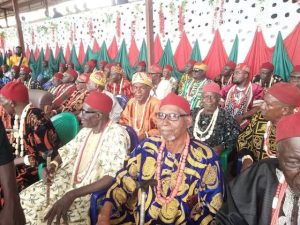
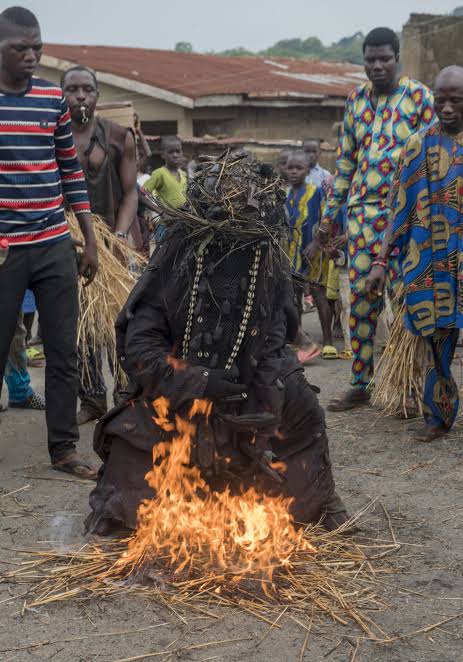
Egungun represents one of the most revered and dramatic aspects of Yoruba culture, embodying the spirits of departed ancestors through richly adorned masqueraders. Rooted in centuries of spiritual belief and cultural tradition, the Egungun phenomenon is not merely a performance it is a deeply spiritual event that connects the living with the dead, reminding communities of their lineage, obligations, and values.
In Yoruba cosmology, death does not sever the bond between the living and their ancestors. Instead, the deceased continue to influence daily life, offer guidance, and demand respect. The Egungun emerges from this belief system as a visible symbol of ancestral presence—draped in elaborate costumes, concealed from head to toe, and imbued with spiritual authority.
Egungun festivals take place in towns and villages across Yorubaland, especially in southwestern Nigeria, parts of Benin, and Togo, during specific times of the year. These occasions mark periods of remembrance, prayer, social reflection, and community cleansing. During such festivals, Egungun masqueraders dance, chant, and interact with the crowd while acting as intermediaries between the worlds of the living and the dead.
Each Egungun type has its own name, significance, and character. These figures are often passed down within families or lineages, and they vary from town to town. Though ranking them definitively is difficult due to regional variations and sacred taboos, some have become especially prominent due to their visual splendor, cultural impact, or spiritual power.
Alapansanpa is among the most well-known Egungun, particularly in Ibadan. This Egungun is associated with healing and purification and is believed to have the power to drive away plagues and spiritual pollution. It typically appears in times of public health concerns or communal transition.
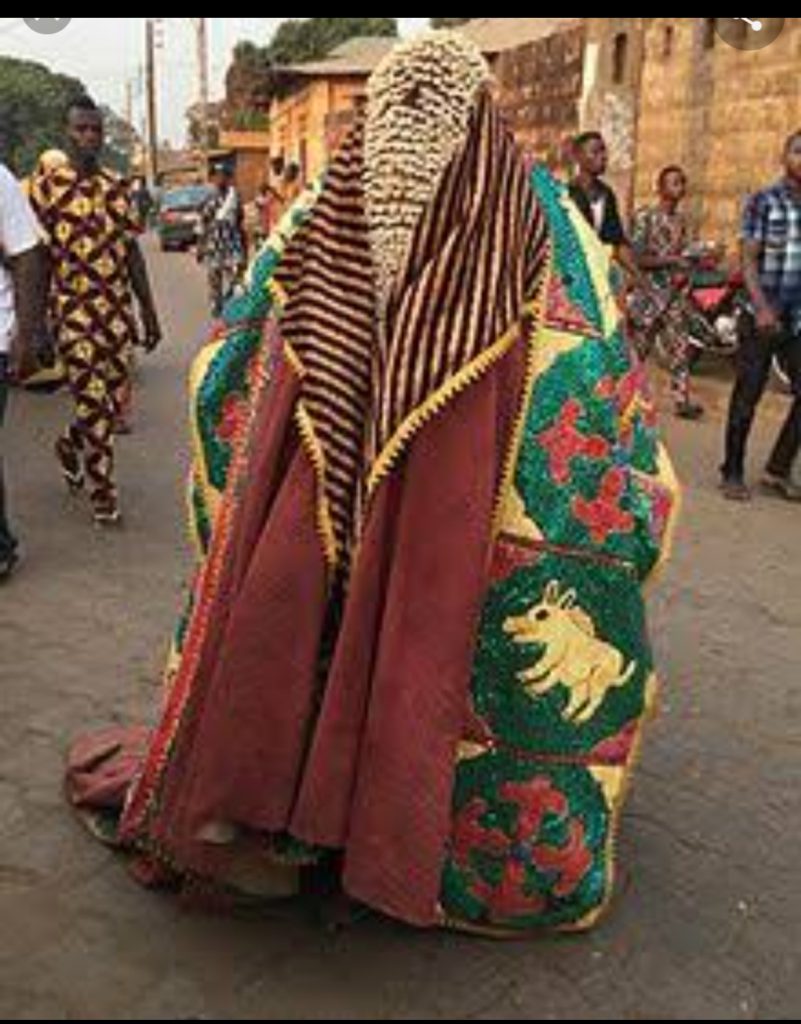
Egun Oba, or the King’s masquerade, represents royal authority and is deeply tied to chieftaincy and monarchy. Its appearance is a mark of great respect and often accompanies festivals in places like Oyo, Ede, and Iwo, where ancient royal lineages remain strong.
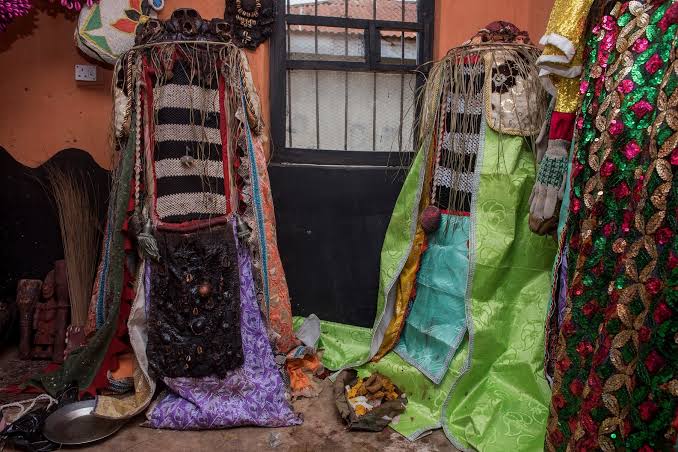
Elekoto is striking for its dazzling layers of fabric and rhythmic movements. This Egungun is especially popular in Lagos and Ogun states, where its graceful performance draws large crowds and is admired for both its aesthetics and symbolic meaning.
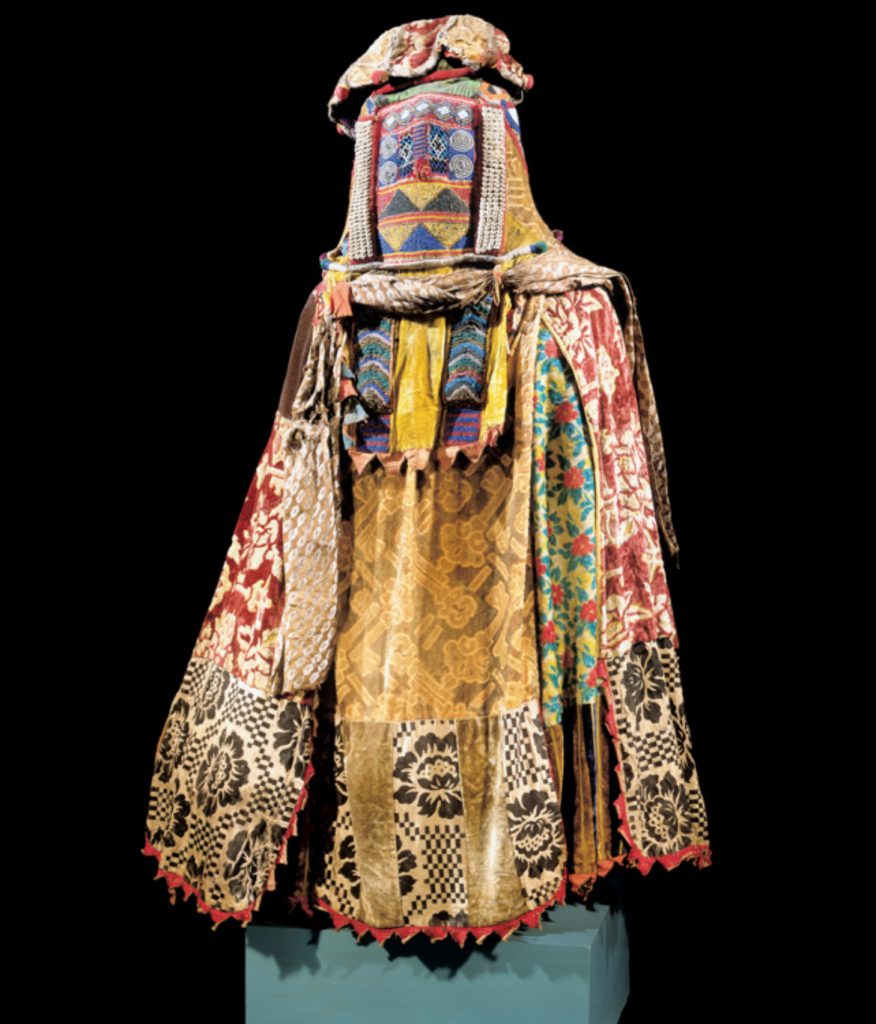
Another spiritual figure is Paka, an Egungun known for its swift and erratic movement. Mysterious and intense, Paka is thought to embody the unpredictable nature of ancestral wisdom and often appears in dramatic fashion, sometimes sprinting through crowds to evoke awe and reverence.
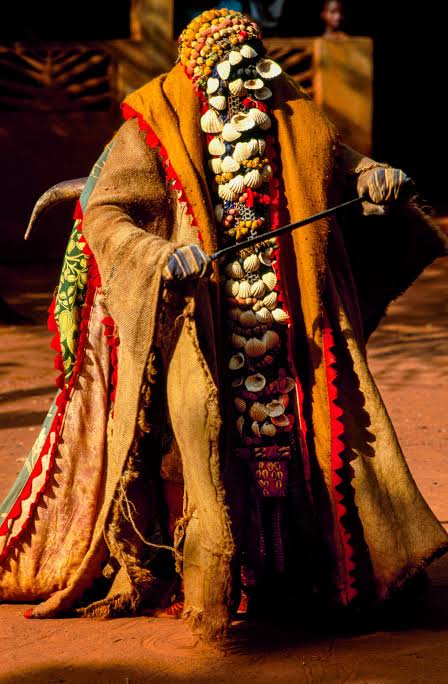
Egun Onijo, or the Dancing Spirit, adds an element of joy to Egungun festivals. With choreographed steps and comic gestures, this Egungun entertains while still maintaining its ancestral purpose, acting as a reminder that celebration and reverence can go hand-in-hand.
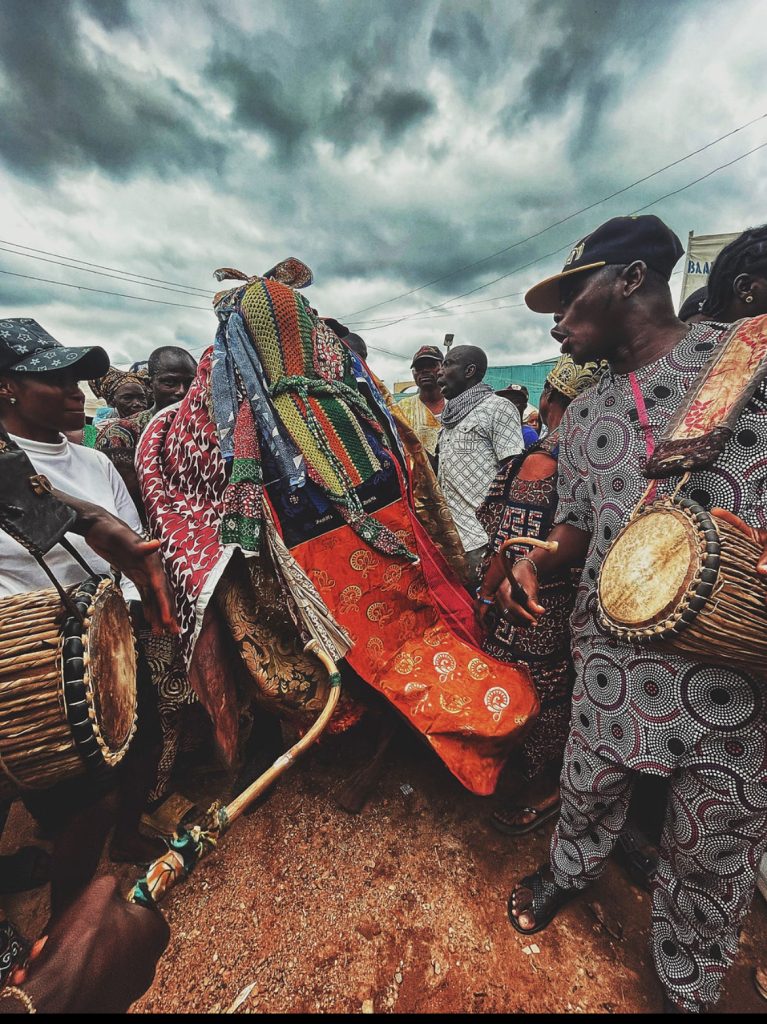
Egungun Olore is regarded as a kind and benevolent spirit. When it appears, it is often seen praying, blessing children, or offering words of peace to families. Its calm demeanor and gentle presence make it a favorite in towns where harmony and intergenerational unity are emphasized.
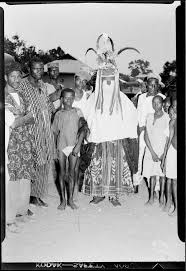
In some parts of Togo and the Republic of Benin, a similar tradition exists under different names. Baba Mukomuko, for instance, plays a parallel role in bringing blessings and preserving heritage, showing the spread and adaptation of Egungun culture beyond Nigeria’s borders.
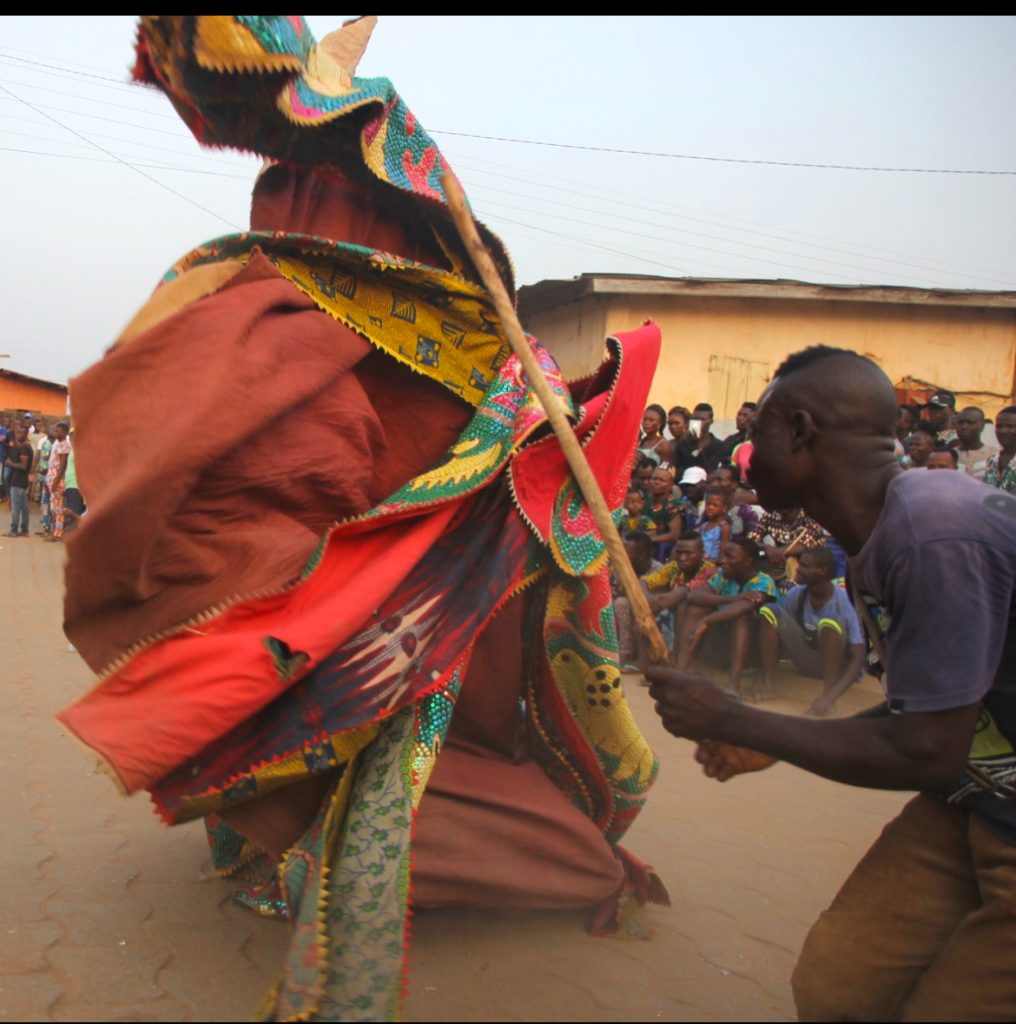
Within every Egungun society, the elder or most spiritually respected is known as Baba L’egungun, the symbolic father of all Egungun. He leads the rites, oversees the dressing and appearances, and ensures that ancestral customs are not violated.
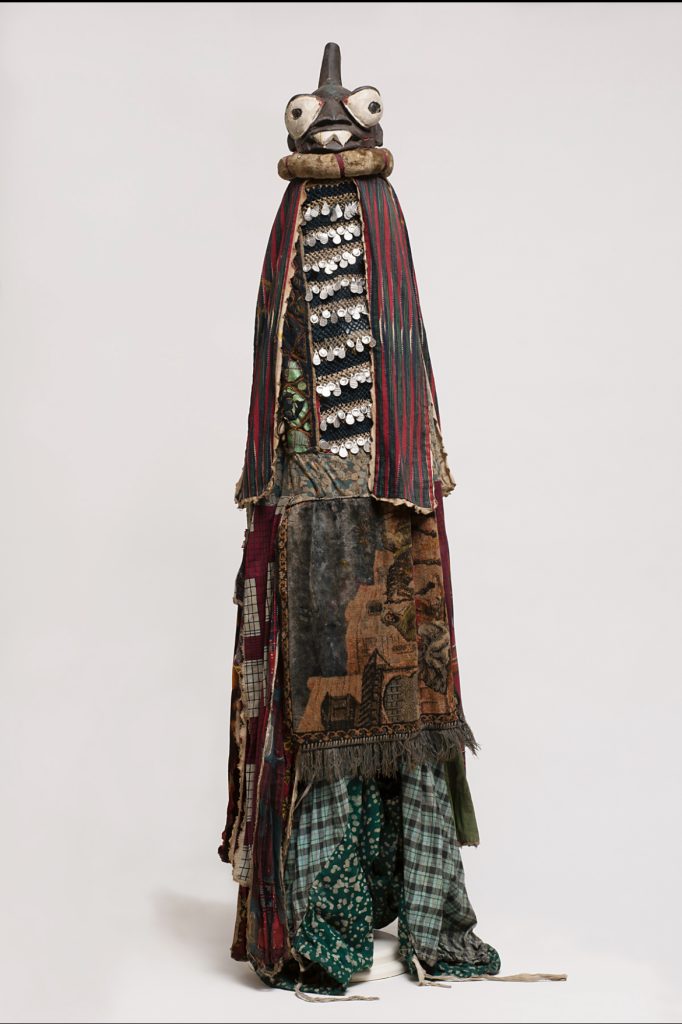
Another notable character is Adakeja, often one of the tallest and most intimidating Egungun. With dramatic height and heavy presence, it reminds onlookers of the might and mystery of ancestral power.
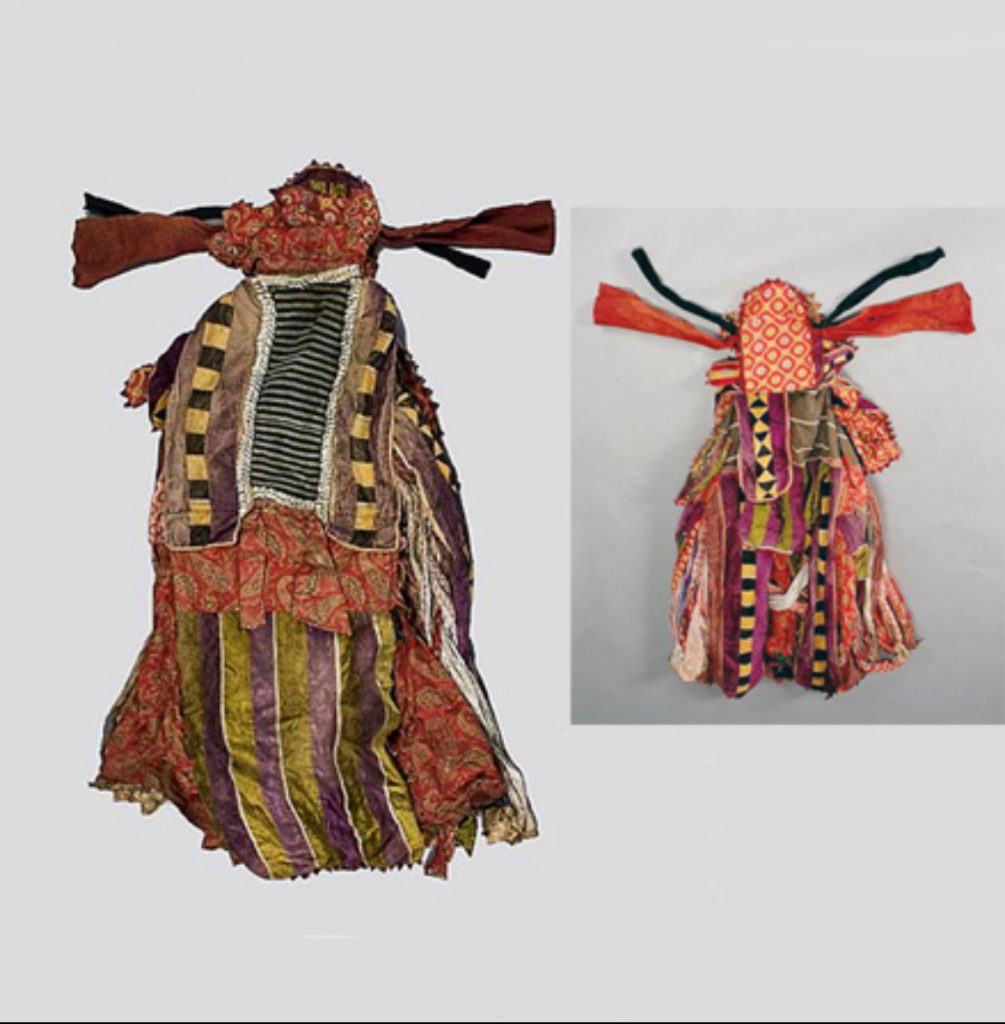
Outside the Yoruba sphere, similar masquerades exist that mirror the concept of Egungun. The Agaba masquerade of the Idoma people in central Nigeria, for instance, functions as a warrior ancestor figure and is sometimes performed alongside Yoruba masquerades in areas of cultural overlap.
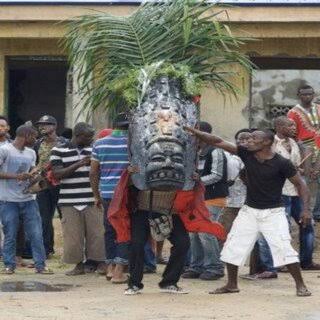
Traditionally, the first Egungun is often traced to a spiritual figure who returned from the spirit world to deliver messages to the living. While no single name is universally agreed upon due to the sacred and secretive nature of Egungun worship, oral traditions across Yoruba towns speak of legendary ancestors who first donned the costume to make contact with their descendants.
In modern times, the Egungun tradition remains a vibrant force in cultural festivals, religious observance, and identity preservation. Though Christianity and Islam have grown across Yorubaland, the spiritual reverence for Egungun continues to inspire music, fashion, drama, and social rituals.
Egungun is more than spectacle—it is a spiritual embodiment of history, family, memory, and divine continuity. Through its presence, the dead are honored, the living are blessed, and generations remain connected by the rhythm of tradition and the wisdom of ancestors.
The Deeper Spiritual Significance of Egungun
Beyond the colorful spectacle lies a rich spiritual theology. To the Yoruba, ancestors are not gone, they exist in another realm from which they watch, bless, and sometimes punish. The Egungun serves as a spiritual embodiment of these ancestors, a temporary vessel through which they interact with the living world. The masquerader is believed to be “possessed” by the ancestral spirit while fully clad in the sacred regalia. This transformation is considered so sacred that no part of the performer’s body, especially the face or skin, must be seen, as it could desecrate the ritual and expose the person behind the spirit.
During Egungun festivals, prayers are offered not only for the community’s prosperity but also to cleanse it of misdeeds. The presence of the Egungun is both celebratory and cautionary, reminding people to live honorably and uphold communal values, as nothing escapes the watchful eyes of the ancestors.
Egungun Societies and Lineages
Each Egungun is affiliated with a particular lineage or family, and its rituals are usually managed by an Egungun society—a group of initiated elders, priests, and masquerade handlers. These societies are responsible for storing the sacred costumes, organizing festivals, training young initiates, and passing down chants, songs, and drumming patterns. In many Yoruba towns, being born into a family of Egungun custodians is seen as an honor and a spiritual responsibility.
Some Egungun costumes have been passed down for generations, with each new bearer adding layers of cloth or embellishment, representing both the literal and symbolic accumulation of ancestral wisdom.
Costume and Performance Art
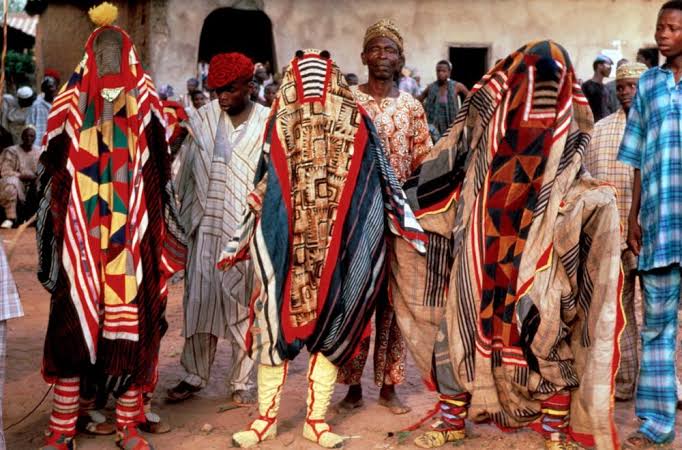
The Egungun costume is one of the most elaborate in all African masquerade traditions. Typically made of aso-oke, damask, velvet, and hand-woven fabrics, these outfits are layered to create a flowing, rotating effect during dance. Beads, cowries, mirrors, charms, and sacred symbols are often sewn into the fabric. Some even feature inscriptions or symbolic patches representing protection, fertility, or warrior strength.
The movement of the Egungun is choreographed yet spontaneous. The spinning motion—called “gigun”—represents the swirling of ancestral energy. Drummers play the “bàtá” or “dùndún” drums in rhythms that correspond to specific families or Egungun types. Singers, often elders or female relatives of the masquerader, accompany the performance with oríkì (praise poetry), invoking the names and exploits of past ancestors.
Cultural Impact and Global Recognition
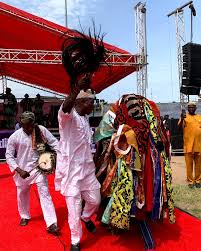
Egungun has not remained confined to traditional spaces. Its aesthetic and symbolic language has inspired countless works in music, theater, fashion, and visual arts. Nobel Laureate Wole Soyinka, for instance, explores themes of Egungun and ancestral memory in his plays, most notably in Death and the King’s Horseman. Fashion designers across West Africa and the diaspora have used Egungun-inspired motifs to create modern interpretations of heritage wear.
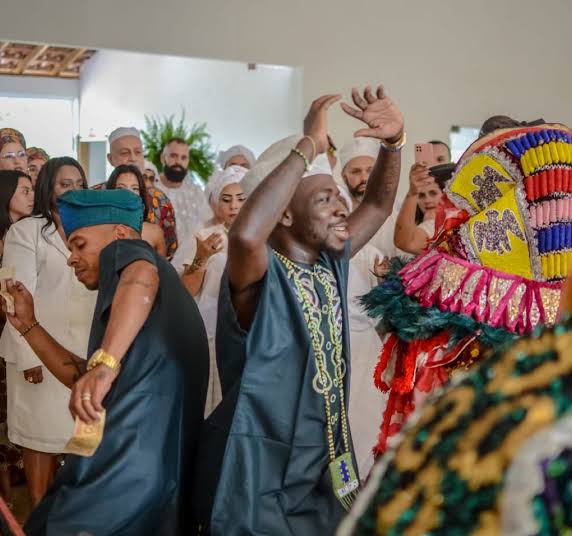
In countries like Brazil, Cuba, and Trinidad, where the Yoruba religion traveled through the transatlantic slave trade, Egungun culture survives under different names within Afro-Atlantic religious traditions such as Candomblé, Santería, and Orisha worship. In these places, masquerades resembling Egungun are performed during sacred festivals, maintaining a spiritual link to their Yoruba origins.
Modern-Day Relevance and Challenges
While the spiritual weight of Egungun is still respected, modern society presents new dynamics. Issues like urbanization, religious tension, and commercialization have created challenges. Some view the tradition as outdated or incompatible with modern lifestyles, while others—particularly Pentecostal groups—regard it as fetish or idolatry.
Nevertheless, efforts are being made by cultural custodians, scholars, and local governments to preserve and adapt Egungun traditions. Festivals are now documented for education, costumes are being archived in museums, and younger generations are being reintroduced to their ancestral heritage in schools and community centers.
In places like Oyo, Ibadan, Ede, Ijebu, and Abeokuta, annual Egungun festivals still draw thousands of spectators, locals, and tourists alike, showcasing not only spiritual devotion but also the vibrancy of Yoruba identity.
Egungun is more than just a cultural display, it is a living, breathing spiritual and historical archive. It carries the voices of ancestors, the pride of families, the rhythm of Yoruba civilization, and the promise of cultural continuity. Whether encountered on the dusty streets of an ancient town or in a global art gallery, the presence of Egungun commands attention, demands reverence, and tells the unending story of the Yoruba people’s sacred bond with their past.