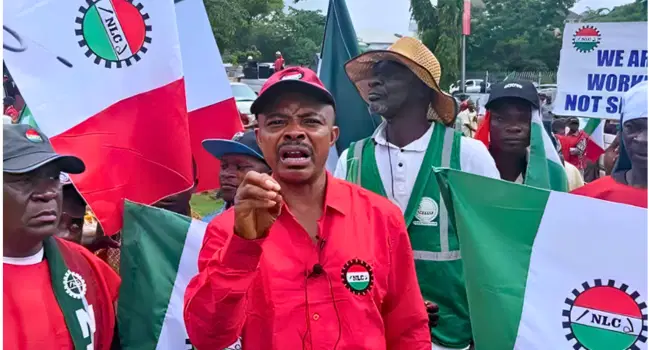
The Nigeria Labour Congress (NLC) has issued a dire warning that Nigerian workers are confronting the most severe survival crisis in the nation’s history, surpassing even the hardships of the civil war and past austerity measures. In a stark assessment, the Congress stated that the combination of skyrocketing inflation, deepening insecurity, stagnant wages, and the collapse of social protection systems has created an unprecedented level of financial insecurity for the working masses.
NLC President, Joe Ajaero, declared that the situation is so grave that Nigerian workers are now worse off than their counterparts in other African countries, including war-ravaged nations like Somalia and Sudan. He emphasized that the natural progression of life—to eat in order to survive—has been broken, as work no longer provides adequate income to meet even basic needs. This has transformed daily existence into a constant, overwhelming struggle, leaving workers heavily stressed, without hope for savings, and with no prospect of long-term security.
Ajaero detailed the multifaceted nature of the crisis, highlighting that Nigeria’s inflation rate, which exceeded 30% in 2024, has severely eroded purchasing power. The national minimum wage of N70,000 is grossly inadequate, a fact underscored by the sobering reality that the price of a bag of rice now exceeds this monthly wage. The naira’s depreciation, rising fuel prices, and consequent increases in transportation and production costs have made essentials like food and housing consume up to 80% of a household’s income.
The crisis is compounded by high unemployment, which depresses wages, and weak social safety nets that offer little protection. Workers are forced to privately fund basic services like power, water, and healthcare due to failed public infrastructure, while multiple taxes and deductions further erode their take-home pay. Widespread insecurity from terrorism and banditry not only threatens lives but also destroys livelihoods and assets, pushing families into deeper poverty.
The NLC concluded that without urgent and comprehensive government intervention to stabilize the economy, raise real incomes, and strengthen social protections, this cycle of financial precarity will continue to undermine both individual well-being and the nation’s economic future.
The Congress called for decisive action from the Federal Government to address what it describes as a threat to the very survival of Nigerian workers.