
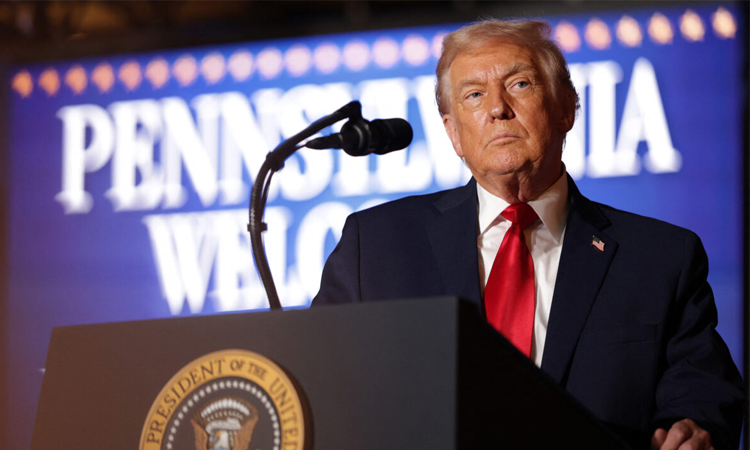
The administration of US President Donald Trump has proposed a new rule that would require foreign tourists from visa-exempt countries to disclose their social media histories from the last five years as a condition for entering the United States. The proposal was formally published in the Federal Register, marking the start of a review and public comment period.
This proposed rule would apply to visitors from the 42 countries that participate in the Visa Waiver Program, including close allies like the United Kingdom, France, Australia, and Japan. These travelers currently gain authorization to visit by obtaining an Electronic System for Travel Authorization, or ESTA, which involves an online application. The new rule would make the submission of five years’ worth of social media data a mandatory component of the ESTA process.
In addition to their social media histories, applicants would be compelled to provide other extensive personal information. This includes phone numbers from the past five years, email addresses from the last decade, and personal details about their family members. The official notice also states that the collection of biometric information would be part of the enhanced requirements.
The move is positioned within the Trump administration’s broader agenda of tightening immigration controls and border security, described as part of a sweeping crackdown on migration. The proposal enters a 60-day public comment period, during which individuals and organizations can submit feedback to the federal government before any final decision is implemented.
If enacted, this policy would introduce a significant new layer of scrutiny for millions of tourists. Its potential impact is amplified by upcoming global events, most notably the 2026 FIFA World Cup, which the United States is co-hosting with Canada and Mexico and is certain to draw an enormous influx of international visitors. The proposal raises immediate questions about privacy, diplomatic relations, and the logistics of processing such a vast amount of personal data for tourism.