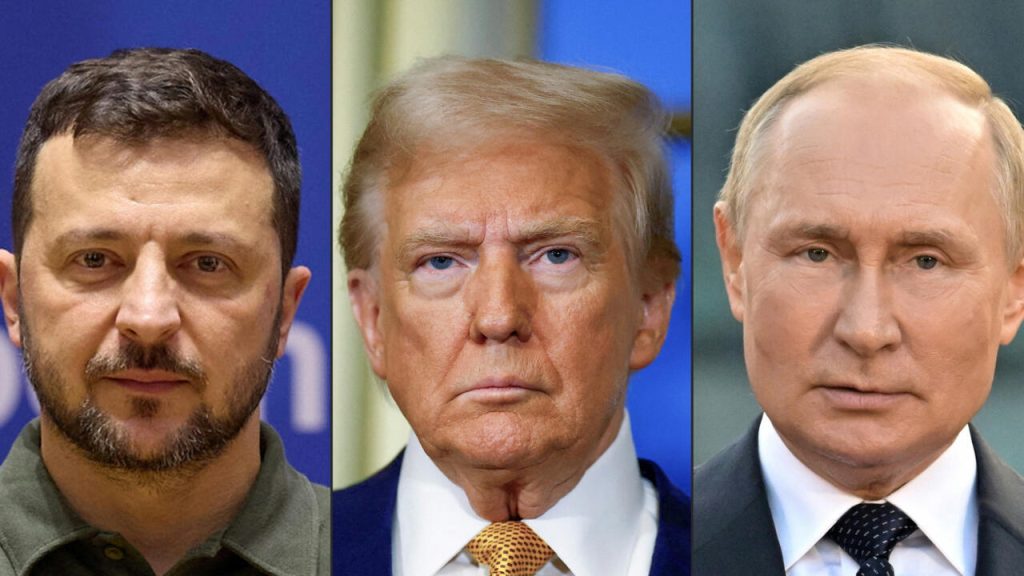
US President Donald Trump is stepping back from direct involvement in Russia-Ukraine peace talks, with administration officials confirming that a planned trilateral meeting will occur only after Russian President Vladimir Putin and Ukrainian President Volodymyr Zelenskyy first hold bilateral talks.
Trump expressed a “wait-and-see” approach, wanting to observe the outcomes of the leaders’ independent meeting.
Progress on arranging Putin-Zelenskyy talks has been slow, with no confirmed date or venue.
Recently, Trump held a 40-minute call with Putin during which both agreed to appoint senior negotiators for direct dialogue, following his discussions with Zelenskyy and European leaders.
Key issues remain unresolved, especially security guarantees for Ukraine. While Trump has offered the possibility of U.S. intelligence and air support, he ruled out sending American troops.
Moscow insists on having a role in providing security assurances, a proposal viewed skeptically by U.S. officials.
Despite NATO Secretary General Mark Rutte’s cautious optimism, significant hurdles persist, including Russia’s prior refusal for direct talks with Zelenskyy and disagreements over the extent of U.S. involvement.
On August 21, Trump stirred controversy on Truth Social, claiming Ukraine cannot win without invading Russia.
Russian Foreign Minister Sergei Lavrov dismissed any peace plans diverging from Russia’s 2022 Istanbul proposals as “hopeless.”
Lavrov reiterated Russia’s rejection of Western military presence in Ukraine, calling such proposals unacceptable.
Russia seeks China’s involvement in enforcing security guarantees, but Zelenskyy rejected this, citing China’s lack of support in stopping the war and its assistance to Russia by opening its drone market.