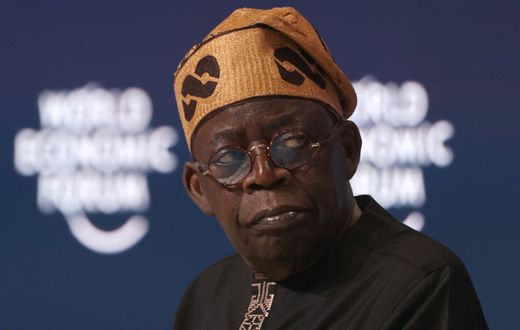
President Bola Tinubu has formally declared the creation of state police forces in Nigeria as “unavoidable” in the fight against escalating insecurity, particularly in the North-West region of the country.
Speaking at the Presidential Villa in Abuja in early September 2025, Tinubu underlined the urgent need to overhaul Nigeria’s centralized security architecture, which he described as outdated and inadequate to tackle contemporary security threats like terrorism, banditry, and communal clashes.
Tinubu reiterated his commitment to equipping security agencies with advanced military hardware, drones, surveillance technology, and deploying additional forest guards to hotbeds of insecurity such as Katsina State.
He emphasized that daily briefings from afflicted areas would be reported directly to his office to ensure swift federal response.
Acknowledging inherited weaknesses in the country’s security framework, Tinubu challenged politicians obstructing progress on the state police proposal, underscoring that policing tailored to local terrains and cultures is vital to restoring peace and protecting citizens.
The President’s call comes amid growing public demand and pressure from various socio-political groups for decentralizing policing powers through constitutional amendments.
Tinubu proposed moving policing from Nigeria’s Exclusive Legislative List to the Concurrent List, allowing states with adequate capacity and political will to establish their own police forces while maintaining federal coordination and oversight.
The Yoruba socio-political group Afenifere and Northern leaders have vocally supported the creation of state police, seeing it as essential to improving security and safeguarding lives in their regions.
Meanwhile, Northern Youths groups have expressed concerns, rejecting the proposal as potentially dangerous if not well planned and implemented.
The debate on state police is part of broader constitutional reform discussions currently underway, with about 36 states having submitted requests to establish state police.
The National Assembly is actively engaged in public hearings on constitutional review, with this issue as a key agenda.
Civil society organizations have lauded President Tinubu’s determination, considering his administration’s approach as a courageous step toward effective governance, accountability, and enhancing local security management.
The move to create state police reflects Nigeria’s urgent need to adapt to complex security realities through decentralization, localized responses, and greater community engagement, which many experts argue is critical for the nation’s stability and development.