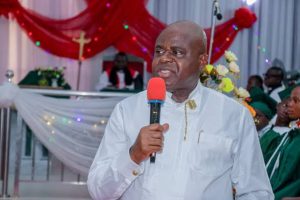
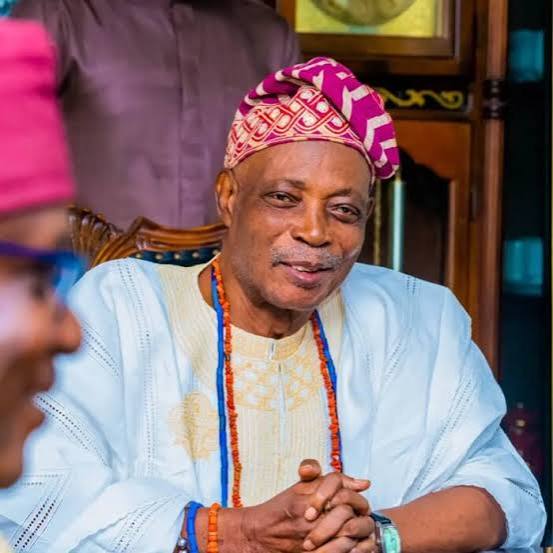
Former Oyo State Governor and Otun Olubadan of Ibadanland, Senator Rashidi Ladoja, has stated that traditional rulers in Nigeria confront more significant and complex challenges than the elected state governors. Ladoja presented this view during a public address, arguing that the difficulties faced by monarchs are often deeper and less visible than the political and administrative hurdles of the executive office.
He elaborated that while governors operate with defined constitutional powers, budgets, and the machinery of the state, traditional rulers bear the immense weight of cultural and spiritual leadership without clear legal authority or sufficient material resources.
Their role, he noted, requires them to be the ultimate arbiters of community disputes, custodians of heritage, and the first point of call during any local crisis, all while navigating modern political pressures.
A central challenge Ladoja highlighted is the precarious financial position of many traditional institutions. He pointed out that most monarchs depend heavily on the goodwill and discretionary funding from the very state governments they must sometimes advise or critique, creating a dependency that can compromise their autonomy and moral authority when they need to speak truth to power.
The former governor also emphasized the intense social pressure on rulers, who must constantly balance ancient customs with contemporary realities.
They are expected to maintain unity within diverse and sometimes fractious communities, mediate in conflicts that formal courts cannot resolve, and uphold traditions in a rapidly globalizing world, all under the constant scrutiny of their subjects.
Furthermore, Ladoja addressed the sensitive issue of security. In many parts of the country, traditional rulers are on the front lines of local security challenges.
They possess intimate knowledge of their domains and their people, yet they often lack the official mandate, protection, or tools to effectively combat threats like banditry or kidnapping, placing them in personally vulnerable positions.
His comments have sparked renewed debate on the role of traditional institutions in Nigeria’s modern governance structure.
The statement calls into question whether the current system adequately supports or utilizes the unique position of monarchs, suggesting that their potential as stabilizers and grassroots administrators remains underleveraged due to systemic and financial constraints.