
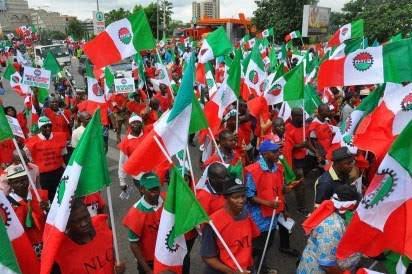
The Nigerian Labor Congress has issued a stark ultimatum to the federal government, threatening to mobilize workers for a nationwide protest if urgent action is not taken to address the country’s spiraling insecurity.
This declaration marks a significant escalation in pressure from the nation’s largest labor organization, framing the safety of citizens as a fundamental workers’ right.
The NLC expressed profound frustration over what it describes as the government’s inability to protect Nigerians from rampant kidnappings, bandit attacks, and violent assaults that occur daily across the country.
The labor union argues that the climate of fear and violence has severely damaged economic productivity and made normal life impossible for millions.
Specific grievances highlighted include attacks on commuters, the kidnapping of workers on highways and from their workplaces, and the general atmosphere of lawlessness that prevents citizens from going about their lives and jobs without fear.
The union contends that insecurity has become the single greatest obstacle to national development and personal wellbeing.
A deadline for action has been set, though the exact timeframe was not specified in initial reports. The NLC leadership has stated it will not stand by indefinitely while its members and the general populace remain vulnerable.
The planned protest is envisioned as a massive, coordinated action to forcefully communicate public anger and demand concrete results.
This threat places the government in a precarious position, facing a potent combination of social and economic pressure. A nationwide labor protest would bring significant economic activity to a halt, compounding the existing crises. The move also signals a potential broadening of the NLC’s traditional focus from purely economic matters to encompass overarching governance and security issues.
The government has yet to issue an official response to this ultimatum. Observers note that the administration must now navigate between demonstrating tangible progress on security to appease the public and avoiding any perception of capitulating to pressure, which could embolden other groups.
The coming days are critical as the nation watches to see whether the government can announce decisive measures to curb the violence or whether the streets will fill with protesters demanding safety and security as a non-negotiable condition for peace and productivity.
This confrontation underscores the deepening anxiety over security that permeates all levels of Nigerian society.