
Plateau State in North Central Nigeria, known for its rich cultural diversity with numerous ethnic groups and languages, is facing a critical threat—its indigenous languages and cultural identities are rapidly disappearing amidst the dominance of English and Hausa languages.
According to UNESCO’s broader assessments, Nigeria has between 400-500 languages, with 115 endangered and 25 critically endangered.
Many of Plateau’s languages such as Pyem and Iguta have only a few thousand speakers left and are at risk due to dwindling numbers, under-documentation, language shifts, and adulterations.
Social critic Dr. Charles Dickson describes this phenomenon as “the vanishing tongues,” highlighting how linguistic identity is eroded through renaming by road projects, mining companies, and colonial influences.
He points out that previously meaningful place names are being replaced with new labels detached from history and identity, amplifying cultural loss.
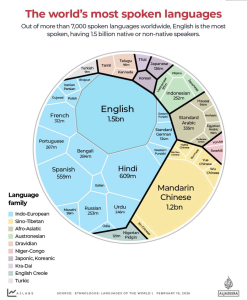
Dickson attributes language extinction to the social dominance of Hausa and English, which dominate markets, schools, and media.
Parents increasingly prioritize these prestigious languages over indigenous ones, breaking intergenerational transmission. Economic pressures, urbanization, and infrastructure projects further strip communities of their cultural significance.
Universities and cultural institutions are sounding alarms; Professor Lengji Danjuma of the University of Jos warned that infrequent use of native languages accelerates extinction, urging mothers especially to teach and speak native languages at home.
In response, natives and institutions are initiating cultural revivals. Samuel Timbau, President of the Amo Development Association, is leading efforts to develop alphabets and document proverbs of the Amo language. Some groups are translating Bible books into indigenous languages to aid preservation.
The National Museum in Jos plays a crucial role in safeguarding intangible cultural heritage, including spoken languages and traditional performances.
Its curator, Linus Kingi, lamented the preference for English as a home language, noting it deprives children of learning their mother tongue during formative years.
Despite these challenges, the efforts of dedicated individuals and institutions provide hope for preserving Plateau’s rich linguistic and cultural heritage for future generations.