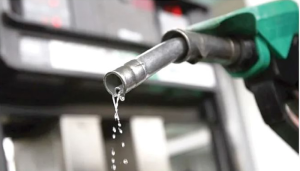
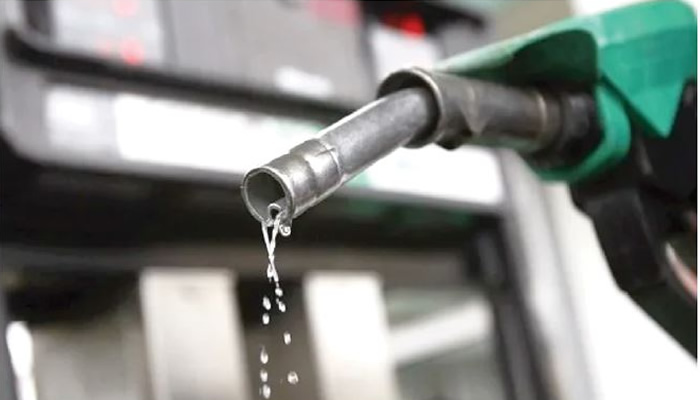
Petrol prices in Nigeria have jumped significantly amid the escalating conflict involving the United States, Israel and Iran, pushing domestic fuel costs closer to N1,000 per litre. Retail checks showed that at some filling stations in Abuja, petrol was selling for around N975 per litre, while in Lagos prices were reported at about N937 per litre as marketers adjusted to rising global energy costs driven by the war in the Middle East.
The sudden increase followed a substantial rise in crude oil prices internationally, with Brent crude and other benchmarks climbing amid geopolitical tensions that have disrupted supply routes and market confidence.
The price hike came after major refiners and petrol distributors, responding to surging international crude prices, raised their ex-depot and pump rates. Consumers across major cities faced immediate cost increases, with some station operators citing global price volatility and replacement costs as reasons for the adjustments.
The situation reflects how Nigeria’s fully deregulated fuel market now directly transmits global energy shocks to local consumers.
Industry watchers say the conflict in the Middle East has heightened risk premiums in oil markets, and Nigeria’s reliance on both imported petroleum products and international crude pricing has made domestic fuel prices particularly sensitive to developments in the region.
The sharp rise at the pump adds to the cost of living pressures facing Nigerian households, with motorists and businesses alike grappling with higher transport and logistics expenses.
The broader impact of sustained elevated crude prices could include increased transportation costs, higher inflationary pressures and further strain on consumers if the geopolitical crisis continues without resolution.