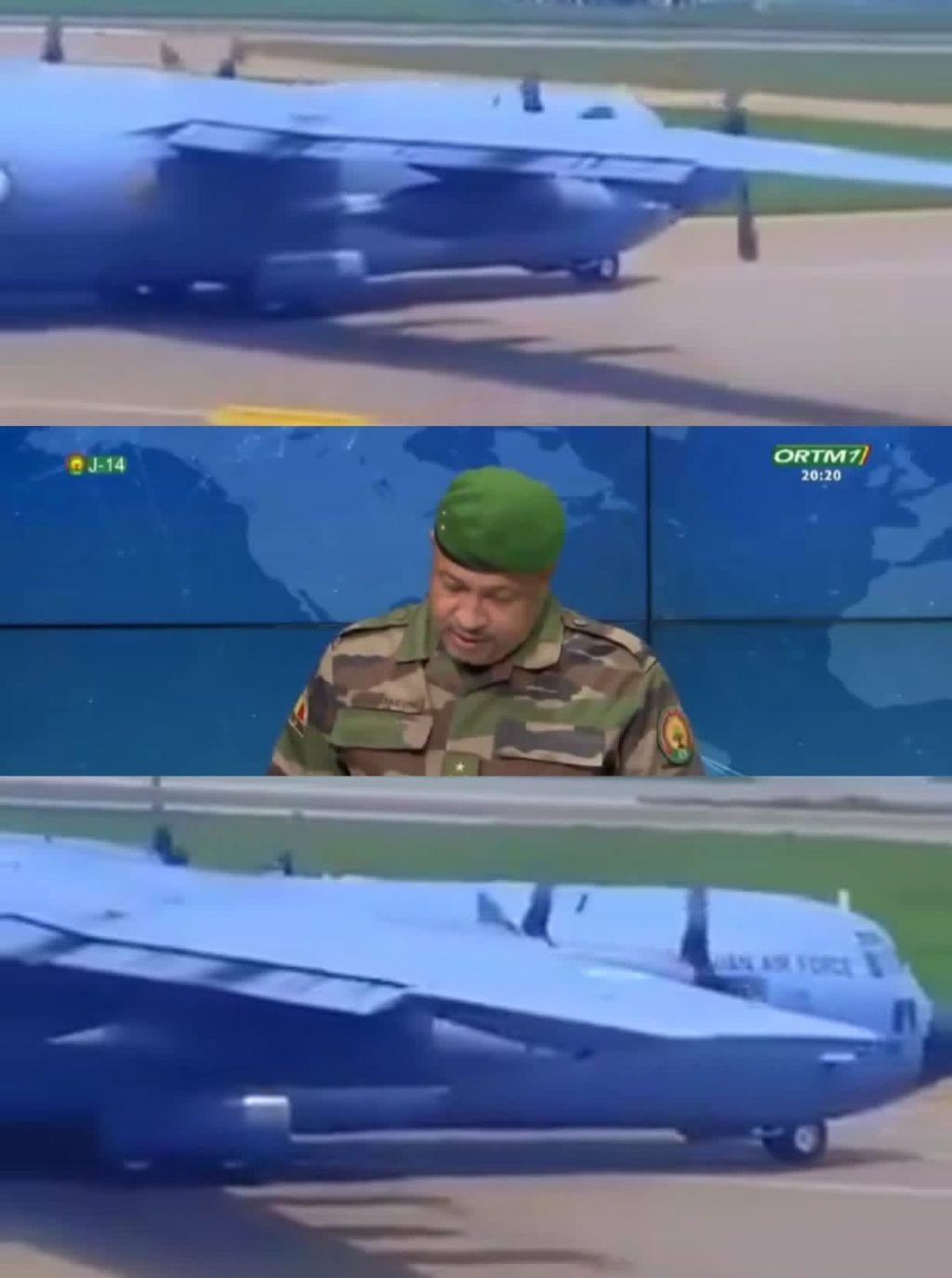
Burkina Faso’s military government has confirmed the detention of eleven Nigerian military personnel and the seizure of a Nigerian Air Force C-130 Hercules aircraft following what it describes as an unauthorised entry into its airspace.
The incident, which occurred on Tuesday, has escalated into a serious diplomatic and security confrontation between the two West African nations.
Authorities in Ouagadougou stated that the transport aircraft entered Burkinabe airspace without prior flight clearance or authorisation. Upon being intercepted and ordered to land, the aircraft complied and was directed to the capital’s airport. The eleven Nigerian personnel on board were immediately taken into custody by Burkinabe security forces for questioning.
Nigerian military officials have provided a different account, asserting that the aircraft was on a routine logistics and resupply mission for Nigerian troops deployed in neighbouring Niger Republic. They claimed the aircraft experienced a technical malfunction that affected its navigation equipment, leading to the inadvertent straying into Burkinabe territory.
The Nigerian Defence Headquarters has stated it is engaging with Burkinabe authorities through diplomatic and military channels to resolve the matter.
The government of Burkina Faso, led by Captain Ibrahim Traoré, has taken a firm public stance. In an official communiqué, it labelled the entry a “serious violation of national airspace” and declared that the detained soldiers would face judicial proceedings.
The seizure underscores the current junta’s strict and often uncompromising posture on national sovereignty, particularly regarding foreign military movements.
This incident occurs against a backdrop of severely strained regional relations. Burkina Faso, along with Mali and Niger, forms the Alliance of Sahel States, a security pact that has distanced itself from traditional Western partners like France and the United States.
Nigeria, under the ECOWAS bloc, has had tense relations with these juntas, particularly following the coups in Niger and subsequent threats of intervention.
Security analysts note that the episode highlights the dangerous complexities of military operations in the Sahel, where multiple national forces are engaged against jihadist insurgencies in bordering regions.
The lack of seamless communication and coordination between neighbouring militaries, especially those under different political alliances, creates significant risk for such miscalculations and confrontations.
The situation remains fluid as diplomatic efforts continue. The immediate focus is on securing the release of the detained soldiers and the aircraft, but the longer-term implications may further complicate the already fragile security cooperation needed to stabilise the volatile Sahel region.