
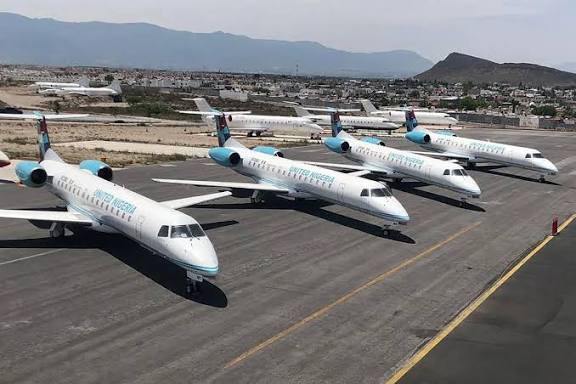
The cost of air travel in Nigeria has reached unprecedented heights, with fares soaring by more than 300 percent over the past two years. This staggering increase has placed an immense financial burden on travelers and businesses alike, fundamentally changing the accessibility of domestic flights.
Passengers are now paying three to four times more for tickets on popular routes compared to early 2022. A flight that once cost a manageable sum now represents a major expenditure for many Nigerians, pushing air travel out of reach for a significant portion of the population.
Several critical factors have converged to create this crisis. The primary driver is the severe and ongoing foreign exchange shortage, which has drastically increased the cost of aviation fuel and the maintenance of aircraft. Airlines are struggling to access dollars to fund essential operations and spare parts.
This forex crisis is compounded by the rising price of Jet A1 fuel on the global market. With the naira’s continued depreciation, the local cost of this essential commodity has skyrocketed, forcing airlines to pass these unsustainable operational costs directly onto the consumer.
The situation has been described by industry analysts as an existential threat to local airlines. The current pricing model is not sustainable for the average traveler, leading to reduced passenger traffic. This creates a vicious cycle where airlines must charge higher fares to cover costs on flights with fewer passengers.
For the Nigerian public, the consequences are severe. Families are separated for longer periods, as visits become unaffordable. Business travel has been sharply curtailed, impacting commerce and professional connectivity across the nation. The tourism sector, which relies heavily on affordable domestic connectivity, is suffering a profound downturn.
Stakeholders within the aviation sector are urgently calling for government intervention. Their demands include direct access to foreign exchange at official rates and targeted subsidies or tax relief on aviation fuel to provide immediate respite from the crushing cost pressures.
Without decisive action, the future looks bleak. The continued escalation in airfares threatens to ground all but the most essential travel, effectively shrinking the country and isolating regions. The social and economic impact of losing accessible air travel will be felt across Nigeria for years to come.