When news emerged that a woman was among those contesting for the Awujale stool, it sparked widespread surprise and intense curiosity. The idea of a female Awujale immediately raised questions across Ijebu land, with many wondering whether such a development was possible and if it had ever happened before.
The announcement challenged long-held assumptions and reignited conversations about tradition, lineage, and leadership.
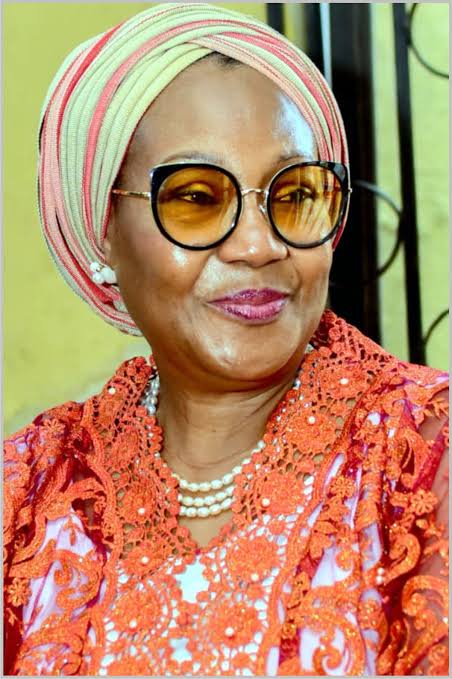
This curiosity led to a closer look at Dr. Oluwakemi Onanuga, a Lagos-based lawyer and public policy advocate who hails from Ijebu-Ode. Calm, confident, and resolute, she stepped forward to explain her decision to join the race for one of the most prestigious traditional stools in Yorubaland.
She confirmed that she has successfully crossed all preliminary hurdles and that her name has already been forwarded to the kingmakers alongside other qualified contestants.
Dr. Onanuga presents herself as a woman not easily intimidated, combining confidence with intellectual depth. She is widely described as possessing both physical presence and mental sharpness, traits that command attention without effort.
Her eloquence stands out, particularly her command of the English language, yet she remains deeply rooted in her heritage, speaking the Ijebu dialect fluently and with cultural pride.
She maintains that her aspiration is firmly grounded in qualification and history rather than novelty. According to her, if selected, she would become the fourth female Awujale in Ijebu-Ode’s history, noting that there have been three female monarchs before her.
She emphasises that she comes from the male line and traces her roots to the Fusengbuwa and Oduba families, where the throne last resided about a century ago. To her, the long gap only reinforces a sense of responsibility rather than entitlement.
At 63, Dr. Onanuga admits that she could easily choose a quiet life, focusing on her successful legal career. However, she insists that the Awujale stool is not something to be ignored or abandoned.
She describes it as a prestigious institution that requires capable leadership, especially following the passing of the late Awujale, whose legacy left “large shoes” to be filled.
She speaks passionately about the possibilities the throne represents, stressing that traditional leadership can be a tool for development rather than personal gain.
In her view, the Awujale institution can be leveraged to create wealth and opportunities for the people through integrity, innovation, and strategic thinking, without resorting to corruption or exploitation.
For her, the aspiration is not about ceremony or status, but about service, duty, and answering a call she believes she cannot ignore.