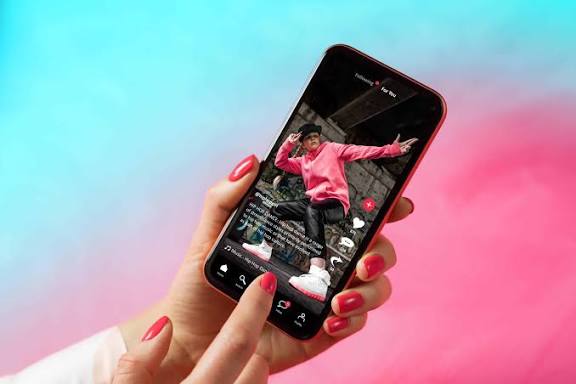
The social media platform TikTok has implemented a significant policy change in Nigeria, suspending all live streaming features during overnight hours.
This decisive action comes in direct response to a surge in reports and internal findings of sexual exploitation and inappropriate content being broadcast during late-night live sessions.
Company officials stated the measure is a proactive step to safeguard users and combat the misuse of its live feature. The suspension will be in effect during a designated curfew period each night, specifically targeting the hours when monitoring is most challenging and harmful content has been most prevalent.
This temporary block is described as an emergency intervention while the platform develops more robust, long-term safety solutions.
Investigations by local advocacy groups and media had previously highlighted a disturbing trend where some livestreams, often hosted by young women, were being used for sexually suggestive performances in exchange for virtual gifts from viewers.
These gifts, which can be converted to cash, created a financial incentive for risky and exploitative behavior, often under coercive circumstances.
The move has sparked a complex debate within Nigeria. Child protection advocates and many concerned citizens have welcomed the ban as a necessary and overdue measure to protect vulnerable users, particularly minors, from predation and harm. They argue the platform has a fundamental responsibility to ensure its features are not facilitating abuse.
Conversely, some digital content creators and free speech advocates have expressed concern. They argue that the blanket suspension unfairly penalizes legitimate creators who use nighttime livestreams for entertainment, prayer sessions, or casual interaction with a global audience. They fear this sets a precedent for broad restrictions based on the misuse of a feature by a minority.
TikTok has emphasized that the suspension is a temporary measure and part of a wider strategy to enhance safety protocols in the region.
The company is reportedly working on improving its real-time content moderation systems, strengthening age verification processes, and increasing collaboration with local law enforcement to report criminal activity.
This incident underscores the ongoing global challenge social media giants face in balancing platform openness with user safety, especially in markets with rapidly growing digital populations.
The outcome in Nigeria is being watched closely as a potential model for how to address similar issues where live features intersect with cultural, economic, and safety concerns.