
By Abdurrasheed Isah Abubakar
The United Kingdom has renewed its strong commitment to partnering with Nigeria in the fight against escalating cyber threats, offering technical assistance, intelligence sharing, and collaborative initiatives to bolster digital resilience.
This collaboration aims to confront challenges ranging from cybercrime and misinformation campaigns to the emerging risks posed by artificial intelligence.
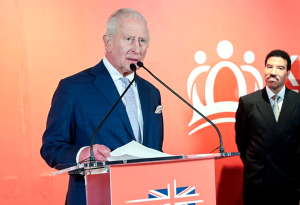
Speaking at Abuja’s inaugural seminar on Anticipatory, Cyber, and Digital Diplomacy for Strengthening Nigeria’s Foreign Policy on September 2, 2025, British High Commissioner Richard Montgomery emphasized the UK’s pleasure in sponsoring the event and highlighted the progress made through a 2024 cybersecurity Memorandum of Understanding.
The partnership covers critical areas including cyber threat hunting, intelligence capabilities, protection of vital national infrastructure, digital forensics, and coordinated incident response planning—all essential components for enhancing government cybersecurity and effective digital diplomacy.
Montgomery cautioned that advancements in AI could “turbocharge” pernicious risks such as disinformation and hate speech, threats that jeopardize national unity and governance in Nigeria.
Nigeria’s Minister of Foreign Affairs, Ambassador Yusuf Tuggar, underscored Nigeria’s sovereign right to craft its cyber policies while committing to lead Africa’s digital future through inclusivity—particularly empowering women and youth—and through regional and global cooperation with private sector and diaspora stakeholders. Tuggar announced the launch of a Cyber Diplomacy Unit within the Foreign Ministry to spearhead Africa-wide cyber negotiations and promote ethical governance of digital spaces.
Describing a transformative era shaped by disruptive technologies, shifting geopolitical alliances, and digital interdependence, Tuggar stressed the importance of anticipatory diplomacy—detecting early warning signs and preparing strategically for emerging digital challenges. He advocated for Nigeria’s foreign policy to adapt to a world where technology firms increasingly influence economies, public opinion, and conflict dynamics, emphasizing that engagements within ECOWAS, the African Union, and the United Nations be rooted in sovereignty, trust, and innovation.
Complementing this vision, Nigeria’s Minister of Justice and Attorney General, Lateef Fagbemi, called for a paradigm shift in international diplomacy and domestic governance to address digital-era conflicts and cooperation needs. He highlighted the urgency of robust legal frameworks to deter cybercrime, protect infrastructure, and promote ethical public diplomacy on digital platforms.
The seminar gathered diplomats, security experts, legal professionals, and private sector representatives, echoing global trends where major powers have adopted dynamic cyber diplomacy strategies. Nigeria’s own digital sovereignty debates have been prominent since the 2021 suspension of Twitter, reflecting international conversations about platform accountability and free expression.
With over 4,000 cyber-attacks reported daily by 2024, Nigeria faces urgent cybersecurity challenges.
The UK partnership, focused on inclusive strategy, ethical AI use, and climate-conscious digital practices, marks a significant step in reshaping Nigeria’s approach to harnessing technology safely, fostering economic growth, and securing its place as a digital leader in Africa and the Global South.