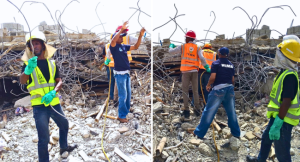
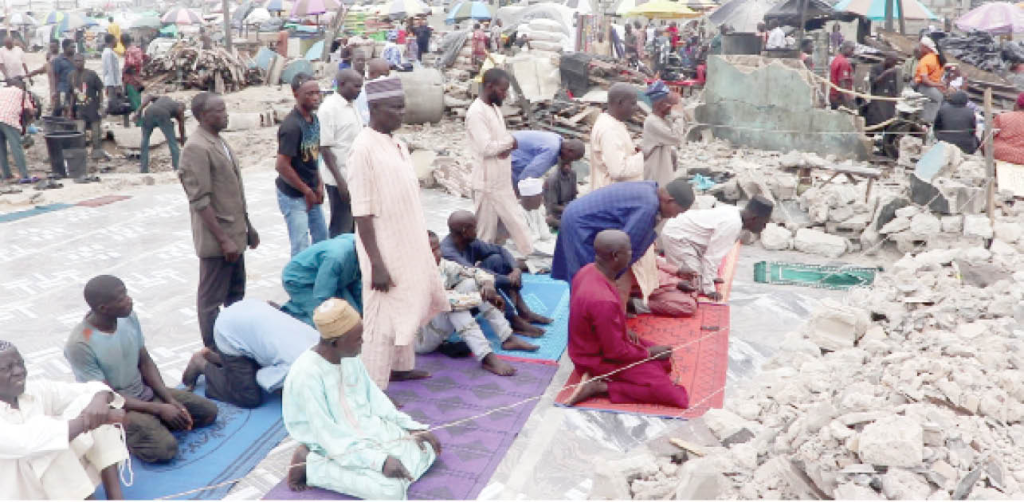
On August 16, 2025, a significant portion of the well-known Alaba Rago Market in Lagos State was demolished, continuing a series of demolitions that extended until August 20.
The market, a bustling commercial hub primarily run by northern traders, has existed for nearly five decades and serves as a key center for food, livestock, scrap metal, and various merchandise.
Traders lament the sudden destruction of their shops, mosques, churches, and offices, many of which had been built over 50 years without any state investment.
The demolition displaced thousands, with estimated losses exceeding ₦20 billion. Many traders expressed pain over losing livelihoods, homes, and religious sites without sufficient notice or compensation.
Key market leaders highlighted the lack of due process, pointing out that the six-month demolition notice was ignored as the government commenced demolition less than a month after serving it.
Despite paying taxes and dues to local councils, the traders were caught off guard. The operation involved heavy police presence, teargas, and bulldozers, preventing traders from retrieving their goods.
Critics argue that the demolition disproportionately harmed northern traders, many of whom voted for the ruling All Progressives Congress (APC), feeling betrayed by the government’s actions.
They called for justice and compensation, asserting their rights as Nigerians.
Efforts by market leaders to seek intervention from northern traditional rulers and political figures were ongoing, while Amnesty International condemned the demolition as unlawful and called for a commission of inquiry and adequate redress for those affected.
A human rights lawyer criticized the demolition as unconstitutional, emphasizing that revocation of occupancy rights must follow due legal process, including proper notification and compensation—none of which were observed in this case.
The Lagos State government has yet to make a formal public response, and multiple attempts to reach officials for comment were unsuccessful.
Meanwhile, affected traders continue to rebuild their businesses amid the rubble, grappling with severe loss and uncertainty.