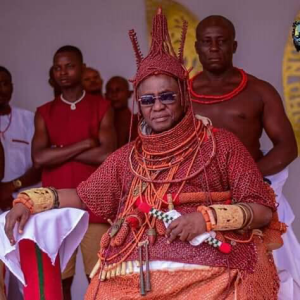

The transition of military generals into traditional rulers is not merely a career change but a profound cultural paradox, one that reveals the tensions between modernity and tradition, between the rigidity of military command and the fluidity of customary leadership.
Across Nigeria, retired generals have assumed royal titles, cloaking themselves in the regalia of ancestral authority while carrying the weight of their past in barracks and battlefields.
This phenomenon demands scrutiny beyond surface-level admiration, for it speaks to deeper questions about power, legitimacy, and the evolving role of traditional institutions in a post-colonial state.
Nigeria’s history is replete with warrior-kings—men who wielded both the sword and the scepter—but the contemporary incarnation of this archetype is different.
Today’s generals-turned-monarchs are products of a modern military establishment, shaped by coups, civil war, and decades of political maneuvering.
When figures like Lt. Gen. Alani Akinrinade or Theophilus Danjuma transition from commanding armies to holding chieftaincy titles, they bring more than just experience; they bring the shadow of their past allegiances, their political networks, and the unspoken influence of the military-industrial complex into the sacred spaces of traditional governance.
There is an undeniable logic to this trend. Military leaders possess discipline, strategic acumen, and an intimate understanding of national security—qualities that could, in theory, benefit communities plagued by instability.
In an era where banditry and communal violence threaten the fabric of rural life, a retired general’s ability to mobilize security forces or negotiate with state actors could mean the difference between peace and chaos.
Yet, this very advantage is also its greatest peril. Traditional rulership is not merely administration; it is custodianship, a delicate balance of ancestral mandate and communal consensus.
The military mind, trained in hierarchy and unquestioned authority, may clash with the deliberative, consensus-driven ethos of most traditional systems.
Moreover, the specter of politicization looms large. Nigeria’s traditional institutions have long been caught in the crossfire of partisan politics, with governments either courting or coercing monarchs to serve as legitimizing agents.
When former generals—many of whom remain enmeshed in political and economic power structures—assume these roles, the risk of traditional stools becoming extensions of state machinery grows.
Will such rulers truly serve their people, or will they function as glorified intermediaries for federal interests? The concern is not unfounded, given Nigeria’s history of military rule and the lingering influence of retired officers in civilian governance.
Yet, to dismiss this trend entirely would be shortsighted. If these generals-turned-kings can temper their military instincts with cultural humility, if they can leverage their influence for tangible development without undermining traditional governance structures, their reign could mark a renaissance for their communities.
The challenge lies in ensuring that their leadership does not become a continuation of militarized authority under a different name.
Ultimately, the phenomenon reflects a broader struggle: the search for stability in a nation where formal governance has often failed its people.
Traditional institutions remain one of the few enduring pillars of societal cohesion, and their evolution—whether through the inclusion of retired military leaders or other modern adaptations—will shape Nigeria’s future.
The real test is whether these new-era monarchs can transcend their pasts to become true servants of tradition, rather than mere symbols of a bygone military era repurposed for a new age.
The ascension of generals to royal stools is neither inherently good nor bad—it is what these leaders choose to make of it. If they honor the sacred trust of their people above political loyalties, their unique backgrounds could breathe new life into traditional institutions.
If not, they risk reducing ancient thrones to mere ceremonial extensions of the same power structures they once served in uniform. The choice is theirs, but the consequences belong to history.